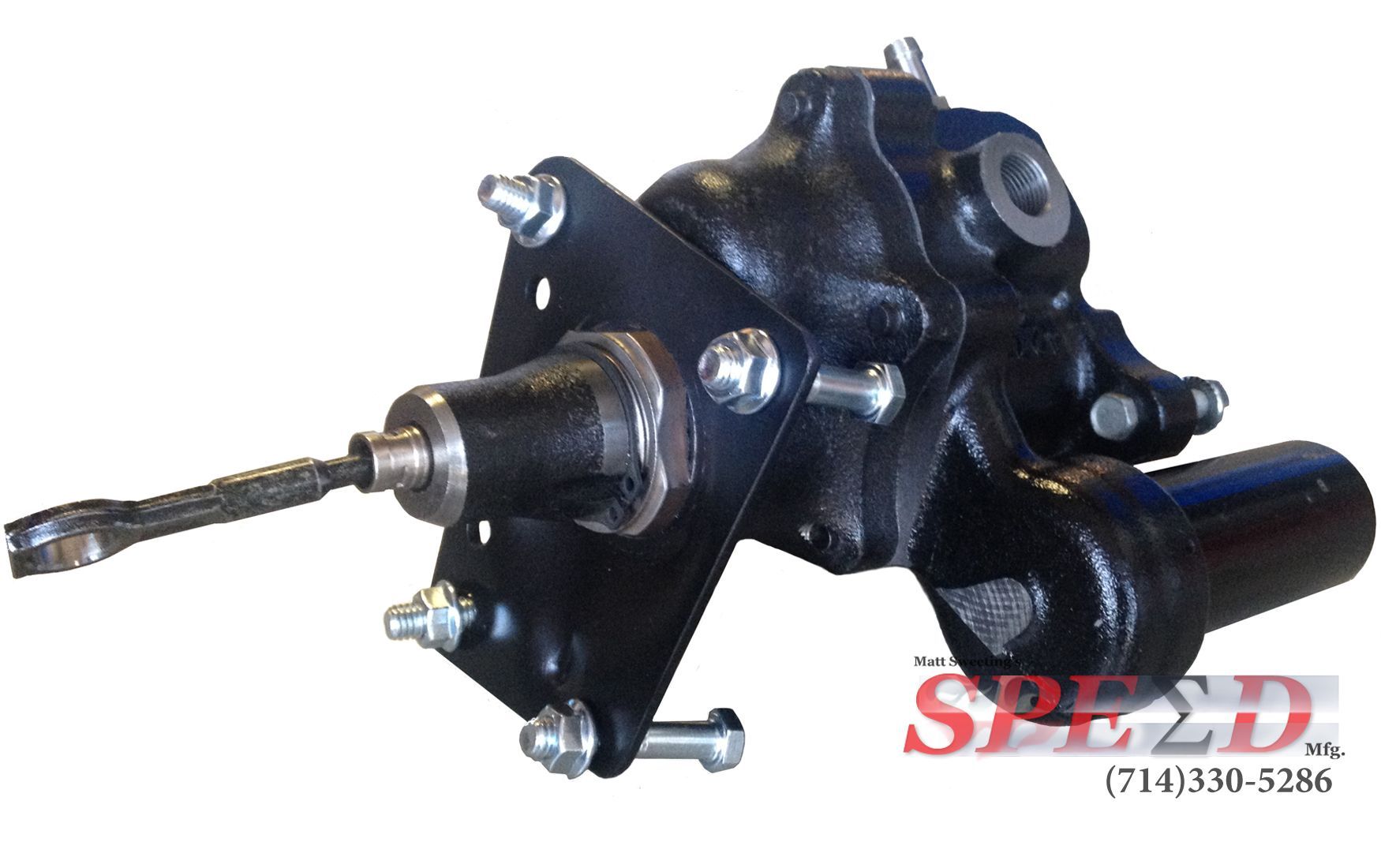
Sweeting Performance Hydraulic Power Brake System for 1989-1992 Ford Thunderbird SC T-bird Super Coupe with Bosch Hydro-Boost® Brake Booster, Conversion from ATE Teves Electric-Hydraulic ABS System


Product Description
Teves Mark II Electric-Hydraulic Brake System – 1989–1992 Thunderbird Super Coupe
The 1989–1992 Ford Thunderbird Super Coupe (SC) is equipped with a Teves (ATE) Mark II electric-hydraulic ABS brake system. Unlike traditional vacuum-assisted braking systems, this design uses an electric motor-driven hydraulic pump, a pressure switch, and a nitrogen-charged accumulator to generate and store braking pressure.
While advanced for its time, the Teves Mark II system is now known for high failure rates and limited parts availability, making repair increasingly difficult and expensive.
Key Components
- Electric Pump Motor: Pressurizes the brake system
- Hydraulic Accumulator: Stores high-pressure fluid for assist (up to 2,650 PSI)
- Valve Block: Controls ABS braking modulation
- Pressure Switch: Activates the pump and warning lights
Common Problems
Hard Brake Pedal: Typically caused by a failed accumulator or a non-functioning electric pump motor.
Constant Pump Operation: If the pump runs continuously or warning lights remain on, the accumulator is no longer holding pressure.
Pump Failure: Internal leaks or worn components can prevent pressure buildup and may lead to motor failure.
Parts Obsolescence: Most original Teves Mark II components are no longer manufactured, limiting repair options.
Bleeding Procedure Overview
Front Brakes: Bleed using the standard pump-and-hold method.
Rear Brakes: With the ignition in the "Run" position, lightly apply the brake pedal and open the bleeder valve to allow the electric pump to push fluid through the system.
Important: Do not run the pump continuously for more than two minutes to avoid overheating.
Recommended Solutions
Due to the cost and limited availability of replacement parts, conversion to a modern brake system is the most reliable long-term solution.
Hydro-Boost Conversion
A hydraulic brake booster powered by the power steering system, providing strong and consistent braking performance without relying on obsolete electric-hydraulic components.
👉 Hydro-Boost Conversion for Thunderbird Super Coupe
Vacuum Brake Conversion
A simpler system using a traditional vacuum booster and master cylinder, offering reliable performance with widely available components.
👉 Vacuum Brake Conversion for Thunderbird Super Coupe
Teves System Parts
Limited replacement components and rebuild options are still available:
👉 Teves Electric-Hydraulic Master Cylinder and Components
Summary
The Teves Mark II system was a technologically advanced design for its time, but today it presents significant reliability and serviceability challenges. Converting to a Hydro-Boost or vacuum-assisted system provides dependable braking performance and long-term parts availability.
Accessories
 |  |  |
 |  |  |
 |  |  |
 |  |  |
 |  |  |
 |  |  |
 |  |  |
 |  | |
 |  | |
 |  |