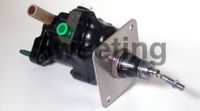
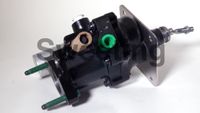
Teves (ATE) Electric-Hydraulic Power Master Cylinder
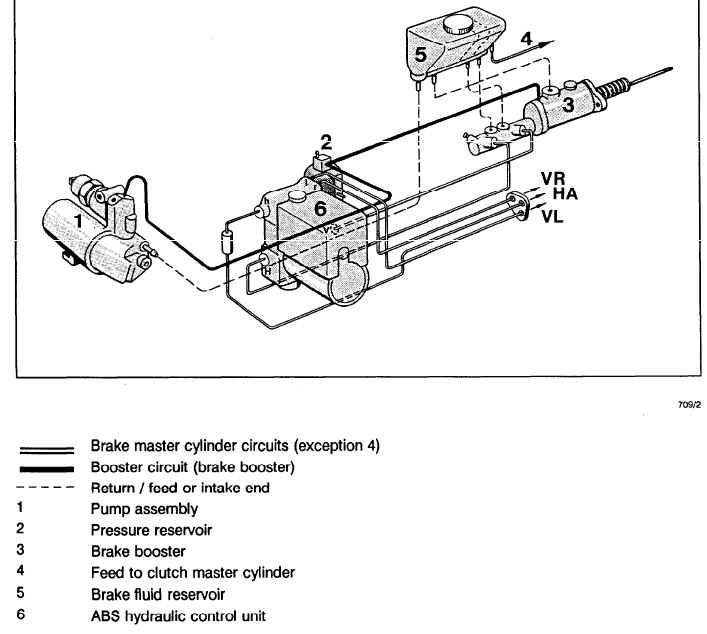
Teves Mark II Electric-Hydraulic ABS Brake System
The Teves (ATE) Mark II electric-hydraulic ABS brake system was widely used across a range of Ford, Lincoln, General Motors, Saab, and European vehicles during the late 1980s and early 1990s. Unlike traditional vacuum-assisted braking systems, this design uses an electric motor-driven hydraulic pump, a pressure switch, and a nitrogen-charged accumulator to generate and store braking pressure.
Sweeting Performance specializes in diagnosing, repairing, and upgrading Teves Mark II brake systems, providing engineered solutions based on decades of brake system experience originating from Power Brake Service.
While advanced for its time, the Teves Mark II system is now known for component failures, complex diagnostics, and limited parts availability, making long-term repair increasingly difficult.
How the Teves Mark II System Works
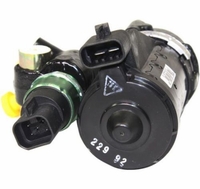
- Electric Pump Motor: Generates hydraulic pressure for the braking system
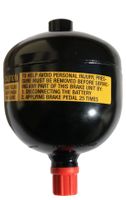
- Hydraulic Accumulator: Stores pressurized fluid (up to approximately 2,650 PSI)
- Valve Block Assembly: Controls ABS braking modulation
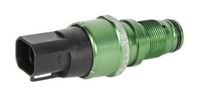
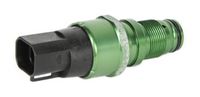
- Pressure Switch: Regulates pump operation and system warning lights
Common Teves Mark II Problems
Hard Brake Pedal
A hard brake pedal is typically caused by a failed accumulator or a non-functioning electric pump motor.
Constant Pump Operation
If the pump runs continuously or warning lights remain illuminated, the accumulator is no longer holding pressure.
Electric Pump Failure
Internal seal leaks can allow brake fluid to enter the motor, causing electrical failure. Worn pump components may also prevent pressure buildup, leading to motor burnout.
Pressure Switch Failure
The pressure switch may fail electrically or mechanically, resulting in improper pump cycling or warning light activation.
Parts Obsolescence
Most Teves Mark II components are no longer manufactured, leaving limited options for repair through used or rebuilt parts.
How to Diagnose a Teves Mark II Brake Problem
Diagnosis typically involves checking accumulator charge, verifying pump operation, and testing pressure switch function. A pump that runs constantly or does not run at all is a key indicator of system failure.
Bleeding the Teves Mark II System
Front Brakes: Can be bled using conventional methods.
Rear Brakes: With the ignition on, slight brake pedal pressure activates the pump, allowing fluid to be pushed through the rear brake lines.
Important: Avoid running the pump continuously for extended periods to prevent overheating.
Modern Solutions and Conversions
Due to the increasing difficulty of maintaining the original system, conversion to a modern brake assist system is often the most reliable long-term solution.
Hydro-Boost Brake Systems
Hydro-Boost systems use power steering pressure to provide brake assist, delivering strong and consistent braking performance without relying on electric-hydraulic accessory components.
Vacuum Brake Conversions
Vacuum-assisted systems provide a simpler and widely supported solution using readily available components.
Teves System Parts and Availability
Replacement parts for the Teves Mark II system are increasingly limited.
Vehicle Applications
The Teves Mark II system was used across multiple platforms including Ford, Lincoln, General Motors, Saab, Ferrari, and various European vehicles. Vehicle-specific conversion solutions may vary depending on application.
Summary
The Teves Mark II electric-hydraulic ABS system was an innovative design for its time, but today it presents significant reliability and serviceability challenges. With most components no longer in production, modern brake system conversions provide a more dependable and maintainable solution.
 |  |  |
 |  |  |
 |  |  |
 |  |  |
 |  |  |
 |  |  |
 |  |  |
 |  |  |
 |  |  |
 |  |  |